
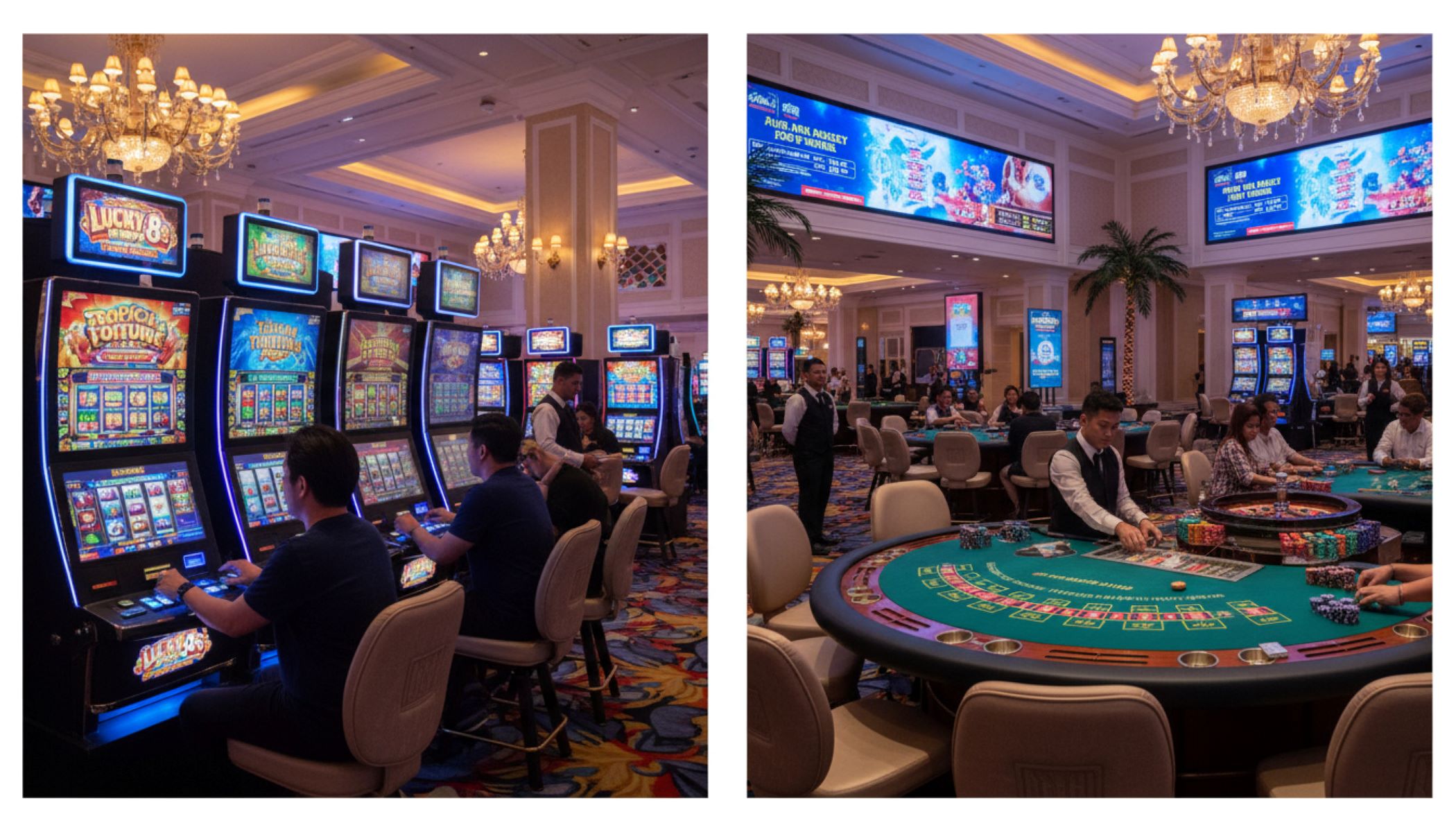
The Philippine casino industry has been booming in recent years, attracting both locals and tourists with its vibrant entertainment options. From the bright lights of Manila to the luxurious resorts in Cebu and Clark, casinos have become a major hub for entertainment, leisure, and tourism. But when it comes to choosing games, players often find themselves torn between table games and slot machines.
Casino Game Types
Table Games
Table games are classic casino staples that have been enjoyed for generations. Unlike automated machines, these games are played at a table and usually require a dealer to manage the game and interact with the players. What makes table games particularly appealing is the combination of strategy, luck, and social interaction. Players not only test their skills and decision-making but also enjoy the lively atmosphere created by fellow gamblers. For many, table games are more than just a chance to win money—they are immersive experiences that combine mental challenge with excitement.
Some of the most popular table games in Philippine casinos include:
- Baccarat – Known for its simplicity and fast pace, baccarat is a favorite among high rollers who enjoy quick rounds and straightforward rules.
- Blackjack – This game attracts strategy enthusiasts who relish the challenge of beating the dealer using skillful decisions.
- Poker – Poker offers both competitive and casual play styles, appealing to players who enjoy reading opponents and planning strategic moves.
- Roulette – With its spinning wheel and the unpredictability of the ball, roulette draws players looking for the thrill of luck combined with occasional strategy.
Table games also foster social engagement. Players often interact with the dealer and other participants, creating a sense of camaraderie and competition. This social aspect can be a major draw for locals who visit casinos not only to gamble but also to enjoy an interactive, community-like environment. Moreover, table games provide room for strategic thinking, which appeals to players who prefer using skill rather than relying solely on chance.
What Are Slot Machines
Slot machines, in contrast, are fully automated games that rely heavily on luck. Players simply spin reels with the hope of matching symbols to win rewards, making these games extremely accessible to beginners and casual visitors. Unlike table games, slots require minimal skill, which allows anyone to join in without prior knowledge of complex rules. The experience is often enhanced by colorful visuals, engaging animations, lively sound effects, and bonus features, all of which create a highly stimulating gaming environment.
Popular types of slot machines include:
- Classic 3-Reel Slots – These are simple and nostalgic, ideal for beginners who enjoy straightforward gameplay.
- Video Slots – These slots come with engaging storylines, intricate graphics, and interactive features that make each spin exciting.
- Progressive Jackpot Slots – These offer life-changing prizes to lucky players, making them appealing to those hoping for a huge payoff.
Slot machines are particularly attractive to players seeking quick thrills without the need to study rules or strategies. The instant feedback and frequent small wins give a sense of constant excitement, while progressive jackpots provide the dream of a massive payout. For tourists, especially, slots offer an easy way to engage with casino gaming while enjoying bright, entertaining visuals and sounds. This combination of simplicity and entertainment makes slot machines a cornerstone of Philippine casinos.
Demographics of Casino Players
Age and Gender Preferences
Age is a significant factor in determining which type of casino game a player prefers. Younger players are often drawn to slot machines due to the instant excitement and dynamic visual effects. Slots provide quick results and adrenaline-inducing experiences, which suit the fast-paced preferences of a younger demographic. Older players, however, tend to gravitate toward table games like blackjack, baccarat, or poker, where strategy, skill, and careful decision-making play larger roles. These players often enjoy the slower, more thoughtful pace that allows them to apply experience and tactics.
Gender also influences gaming choices. Men are more frequently found at competitive tables such as poker or blackjack, where they can challenge both luck and strategy against opponents. Women, on the other hand, often enjoy slot machines, attracted by the bright graphics, interactive bonus rounds, and the more relaxed pace of play. While these trends are not universal, they highlight general patterns in how different demographics engage with casino entertainment in the Philippines.
Local vs. Tourist Player Behavior
Local casino players tend to have a deeper familiarity with table games and often prefer games that involve strategic play. Many locals are repeat visitors who understand the rules, nuances, and odds of different table games, which allows them to develop long-term strategies. They also value the social interactions and competitive elements that table games provide, making these games more than just a gambling activity—they become a regular form of entertainment and challenge.
Tourists, on the other hand, are often drawn to the simplicity and instant excitement of slot machines. With limited time in the casino and unfamiliarity with complex table game rules, tourists prefer games that are easy to learn and offer immediate rewards. The visually stimulating environment of slots, combined with the opportunity for quick wins, makes them the ideal choice for visitors looking for fun without the stress of mastering strategies. This difference in behavior helps casinos design their floors and promotions to cater to both locals and tourists effectively.
Psychological Factors in Game Selection
The Thrill Factor
Slot machines are designed to provide immediate excitement. The flashing lights, colorful animations, and fast-paced sounds create an adrenaline rush with every spin. Players are constantly stimulated, and even small wins trigger dopamine responses that keep them engaged. The unpredictability of slots adds to the thrill—each pull of the lever could result in a small win, a bonus round, or even a life-changing jackpot. This constant anticipation makes slots especially appealing to players who seek instant gratification and sensory stimulation.
In contrast, table games offer a different type of thrill, one built on tension and anticipation. Each decision, from hitting or standing in blackjack to placing a bet on baccarat, carries weight. The reveal of cards or the spin of the roulette wheel creates a suspenseful environment that engages players mentally as well as emotionally. This form of excitement is slower-paced but more strategic, attracting players who enjoy analyzing risks, predicting outcomes, and feeling a sense of control over their decisions. Table games, therefore, offer an intellectual and psychological engagement that complements the sensory thrill of slots.
Risk Appetite and Game Choice
Players’ tolerance for risk strongly influences their game selection. High-risk players are often drawn to slots with massive progressive jackpots. The potential for a huge payout, combined with rapid gameplay, satisfies their appetite for excitement and high stakes. Even though the odds may be lower, the possibility of winning big keeps these players returning to the machines. Slots cater to thrill-seekers who value the chance of sudden, substantial rewards over calculated outcomes.
On the other hand, risk-averse players often prefer table games, where skill and strategy can help mitigate losses. Games like blackjack, baccarat, or poker allow players to use knowledge, probability, and decision-making to influence outcomes. These games appeal to those who enjoy a methodical approach, where consistent application of strategy can improve long-term results. By providing a balance between risk and control, table games attract a demographic that values thoughtful play over sheer luck.
Social Interaction in Table Games vs. Slot Machines
Table games are inherently social experiences. Players interact not only with the dealer but also with other participants, creating a communal atmosphere filled with conversation, competition, and shared excitement. This social component is a key reason why many locals prefer table games—they enjoy the camaraderie, the banter, and the challenge of outsmarting opponents. For some players, the social element is just as important as the game itself, enhancing the overall entertainment value.
Slot machines, by contrast, are usually solitary experiences. They are perfect for players who enjoy focused, uninterrupted gaming. While slots offer audiovisual stimulation, they don’t require interaction with others, allowing players to relax and immerse themselves in a personal gaming journey. This solitary appeal makes slots attractive to tourists or casual visitors who want to play at their own pace without worrying about strategy or social dynamics.
| Factor | Table Games | Slot Machines | Player Type |
| Thrill | Tension and anticipation | Rapid, sensory excitement | Older players, strategy lovers vs. younger, thrill seekers |
| Risk | Mitigated by strategy | High-risk, luck-based | Risk-averse vs. risk-seeking players |
| Social | High interaction | Solitary play | Socially engaged players vs. independent players |
Economic Considerations
Cost of Playing Table Games
Table games often require higher minimum bets, which can act as a barrier for casual players. These minimums attract high rollers who enjoy the combination of strategic decision-making and the potential for significant rewards. The larger bets make each decision more meaningful and increase the intensity of the game, appealing to those who thrive on high stakes. High rollers also appreciate the prestige and social recognition that comes with playing at a table with significant wagers, further enhancing the appeal of table games.
For casual players, the higher costs of table games may be intimidating. Without careful bankroll management, these games can quickly become expensive. This economic consideration often directs casual players toward slots, where smaller wagers are sufficient to experience the thrill of casino gaming. Table games, therefore, serve a niche segment of the casino market that prioritizes both strategy and financial commitment.
Cost of Playing Slot Machines
Slot machines offer flexible betting options, making them accessible to a wider audience. Players can often wager very small amounts per spin, allowing for prolonged play without significant financial risk. This flexibility appeals to casual gamers, tourists, and first-time visitors who want entertainment without committing to high stakes. The accessibility of slots also makes them a reliable revenue generator for casinos, as they can attract both low-budget and high-budget players simultaneously.
The affordability of slots encourages experimentation. Players can try different machines and game types without significant financial pressure, exploring themes, bonus features, and progressive jackpots at their own pace. This accessibility has contributed to the enduring popularity of slots in Philippine casinos, making them a cornerstone of the gaming floor.
Return to Player (RTP) Comparison
Slot machines often advertise high Return to Player (RTP) percentages, which indicate the average amount returned to players over time. While the RTP can be attractive, the outcome remains largely luck-based, and short-term results can vary dramatically. High-RTP slots appeal to players seeking frequent small wins and the chance for big jackpots, providing psychological satisfaction even with modest payouts.
Table games, by contrast, allow skilled players to leverage strategy to improve long-term odds. In blackjack or poker, knowledgeable players can consistently outperform casual participants, effectively gaining an advantage over the house. This strategic element makes table games economically rewarding for those willing to invest time and effort into mastering the rules. Ultimately, the choice between slots and table games reflects a balance between accessibility, risk tolerance, and potential return on investment.